At the sharp end, decisions are not made — they are executed. The leader who seems to think brilliantly under pressure is almost never improvising. They are running a framework they installed long before the pressure arrived.
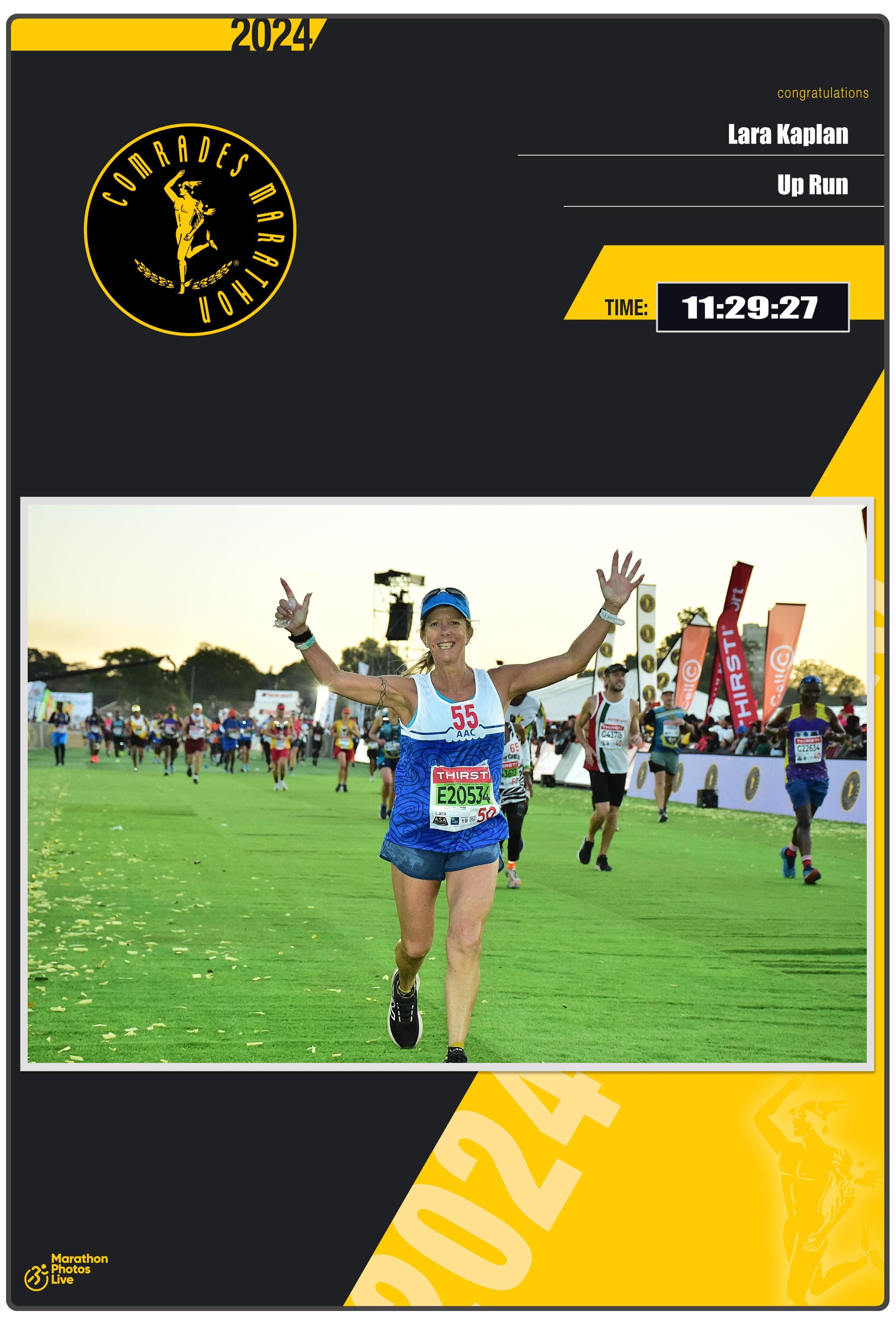
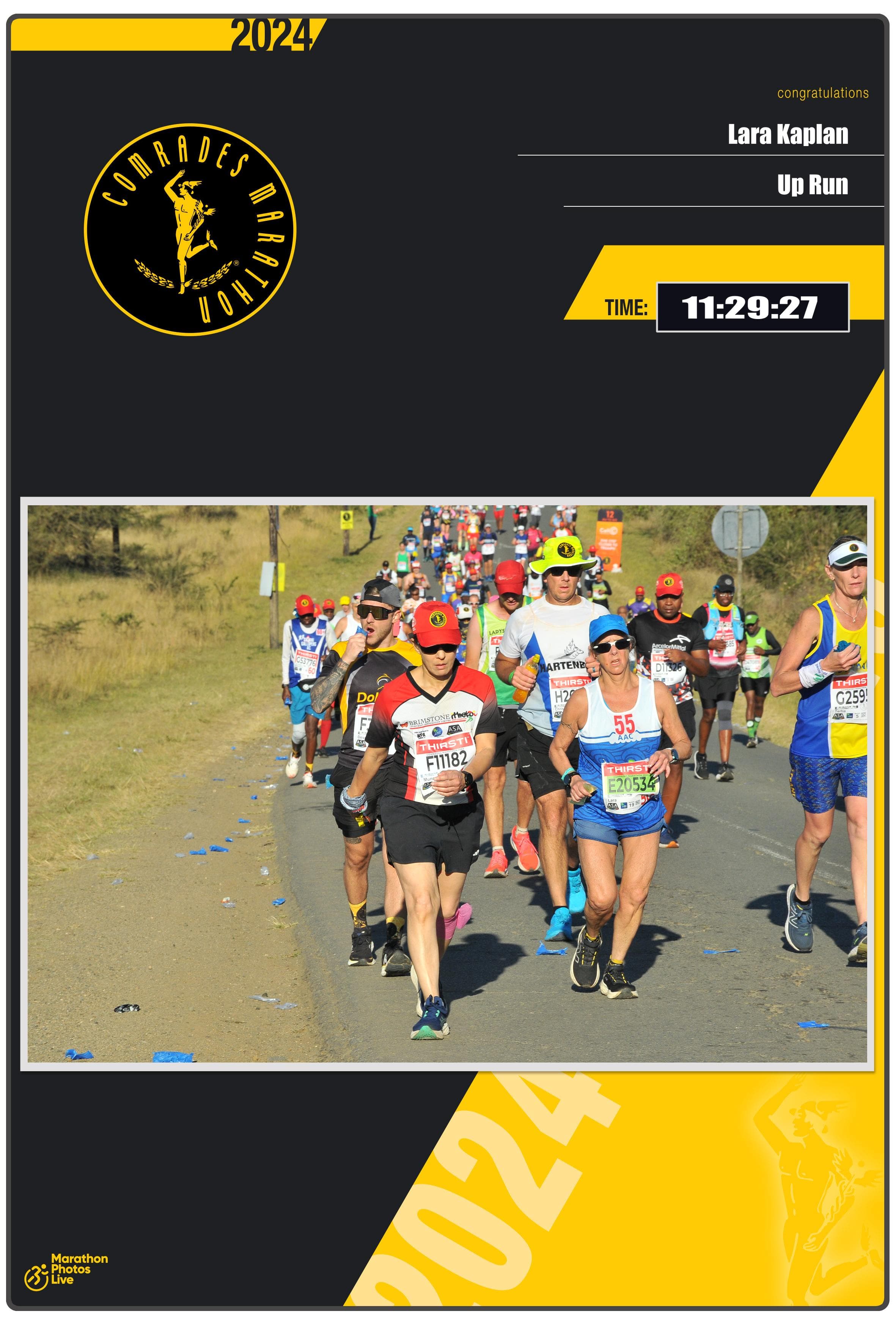
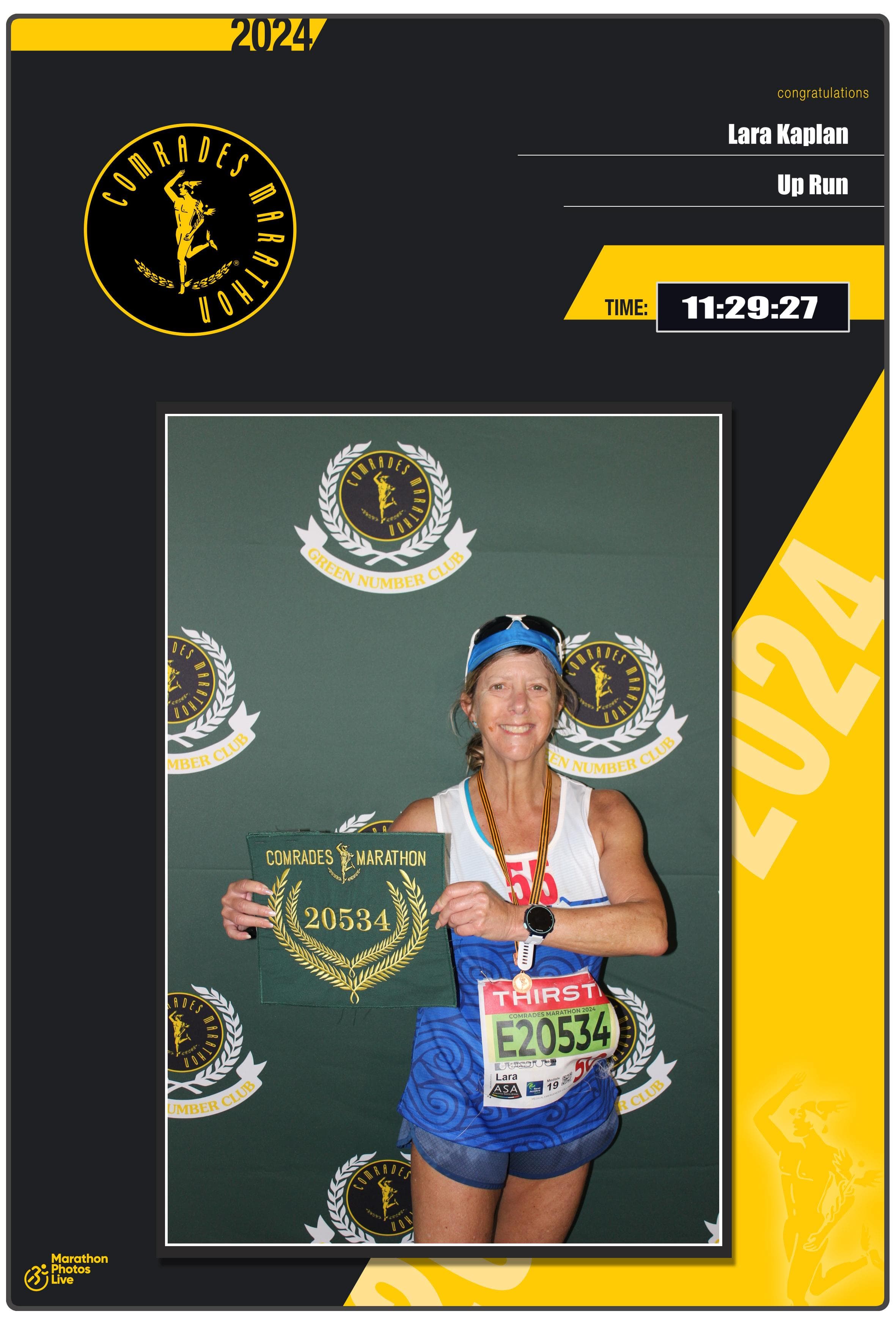
I have spent forty years making decisions in environments where the margin for error was thin: a broken foot at kilometer 10 of a 90km race, a race that had to be quit to save a life, a 23-hour, 15-minute 160km ultramarathon where hallucination was a feature of the plan. Every one of those moments ran on a framework. This article shares the five I consider essential for high-stakes leadership — and shows you exactly how to run them yourself.
Why frameworks beat instinct
Before the frameworks, it is worth confronting the myth that high performers rely on instinct. They do not. What looks like instinct from the outside is, on the inside, a rehearsed system that has been run so many times it has become automatic.
The problem with instinct as a strategy is that it is not portable. Instinct is built from thousands of repetitions in a specific context. The executive who has made a thousand hiring decisions has reliable instinct for hiring — and no reliable instinct at all for the novel, high-stakes situation that just arrived.
Frameworks solve this. They are context-independent structures that produce a good answer even when you have no prior experience of the situation, because they force you through the same reasoning a specialist would apply. They do not replace experience. They compress it.
There is a second, more urgent reason: at the breaking point, your reasoning capacity is degraded. The neuroscience of pressure is unambiguous — the threat response suppresses the prefrontal cortex. A framework is the thing you can still run when reasoning is offline. It is the architecture that executes when improvisation is impossible.
Framework 1: The cost-of-stopping test
The most important framework in this system is also the simplest to state and the hardest to execute: calculate the cost of stopping versus the cost of continuing.
At the breaking point, the temptation is to decide emotionally. The framework forces a calculation instead. What do I actually lose if I stop? What do I actually gain? What happens to the trajectory if I continue? Lay the numbers out and the emotion has nowhere to hide.
In the 100-miler, my breaking point came at 120km with a broken body and 40km still to go. The cost of stopping was a fractured goal and a damaged narrative. The cost of continuing was measurable, physical pain. The calculation was clear. I finished, 23 hours and 15 minutes after I started.
In the Voet of Africa, the same calculation produced the opposite answer. The cost of continuing was my life. The cost of stopping was one unfinished race in 142 marathons. I stopped. Both decisions were right — because both came from the same framework, not from the mood of the moment.
The power of this framework is that it converts an emotional conflict into an arithmetic one. Write the costs in two columns. Stopping: what do I lose immediately, what do I lose to my narrative, what cannot be regained? Continuing: what do I spend in resources, what is the worst case, what is the probability of the worst case? The numbers answer the question that the emotions cannot.
The trap is fake precision. Do not invent numbers to justify a predetermined answer — that is rationalisation, not calculation. If you catch yourself writing numbers that conveniently support the decision you already wanted to make, you have not run the framework. You have used it as a costume.
Framework 2: The identity contract
Before you can calculate costs, you need to know what you are protecting. That is the identity contract: a written definition of who you are and what you will not compromise.
Most decisions that feel hard are actually identity conflicts. The deal looks good on paper, but taking it would make you someone you refuse to become. The framework resolves this by giving you a fixed reference point. You do not reason about the identity in the moment. You consult the one you wrote when you were calm.
This is the same structure as the 3-Year Arc Contract — the trajectory you commit to protecting before crisis hits. The identity contract is the inner core of that arc.
To use it in a decision, ask three questions in sequence. First: what identity am I protecting here? State it plainly. Second: would this decision preserve that identity or compromise it? Be honest about the cost either way. Third: if I am hesitating, is it because the price is real — or because I am simply cold after a long stretch of pressure? The third question is the one that separates a genuine conflict from a tired one.
The contract only works if it is specific. "I am a person of integrity" is a slogan. "I do not misrepresent information to close a deal, even when the quarter depends on it" is a contract — it can be consulted, tested, and honoured in the exact moment it is needed.
Framework 3: The time-compression test
When a decision is screaming for urgency, use the time-compression test. Ask: if I were completely fresh — rested, calm, twenty-four hours from now — what would my answer be?
This framework works because urgency is almost always an illusion manufactured by the pressure moment. The exhausted brain amplifies threat and distorts timelines. The time-compression test gives you access to the version of yourself that is not compromised.
If the answer would be identical tomorrow morning, the urgency is fake, and you can decide slowly. If the answer would change, then the pressure is not just discomfort — and the disruption may be real. This is the discipline behind telling decision fatigue from real disruption.
A variant I use under genuine time pressure is the sleep-on-it simulation. When a decision cannot physically wait a day, I imagine that a trusted colleague — someone whose judgment I respect and whose state is calm — has walked into the room. What would I advise them to do in this exact situation? The distance between "my decision" and "the advice I would give" is almost always the distortion.
This is not procrastination disguised as wisdom. It is the opposite: it is refusing to let the timing of the moment dictate the quality of the decision. The situation is what it is. Whether I decide in the next hour or the next day rarely changes the reality — but it changes everything about the quality of my thinking.
Framework 4: The pre-mortem
The pre-mortem inverts the classic post-mortem. Instead of asking "what went wrong?" after the failure, you ask, before you commit: "it is eighteen months from now and this failed completely. What happened?"
The pre-mortem is powerful because it defeats optimism bias. When you imagine the failure as already having happened, your brain stops defending the plan and starts listing its actual weaknesses. Within twenty minutes you will have a list of the fracture points — most of which you had been quietly ignoring.
Run it properly by writing the failure narrative in one paragraph, dated eighteen months in the future. What specifically went wrong? Who failed to act? Which assumption was the load-bearing one? The details matter. A vague pre-mortem produces a vague list; a specific one produces the list of things that will actually kill the plan.
Once the list exists, the work is not to eliminate every risk — that is impossible and a distraction. The work is to identify which risks deserve mitigation, which deserve monitoring, and which are simply acceptable given the expected value. The pre-mortem does not make the decision safe. It makes it informed, which is the best that any decision under uncertainty can be.
This is planning resilience in its purest form: identifying where the arc breaks before it breaks. It is the same instinct that drove me to build adaptability into training — anticipating the uncomfortable conditions before they arrive, so that they lose the power to surprise.
Framework 5: The decision matrix
For genuinely high-stakes, multi-factor decisions, the decision matrix is the workhorse. You list your options against the criteria that actually matter, weight the criteria by importance, and score — mechanically, without emotion.
The matrix is not clever. That is the point. When you are under pressure, you do not want clever. You want a system that produces the same answer every time, regardless of who you are that day.
The same logic appears throughout the Kilometer 70 Method — pre-installed rules that eliminate decision fatigue during high-stress cycles. The matrix is one expression of that principle: make the decision architecture so explicit that the person executing it is almost irrelevant.
One caution on the matrix: it is only as good as its criteria. If you weight the wrong factors, you get a precise answer to the wrong question. The discipline is choosing and weighting the criteria while calm — never in the middle of the decision — because the exhausted brain will quietly weight the criteria to favour the answer it already wants.
Common mistakes with frameworks
Even the best framework fails if it is misused. The five mistakes below account for almost every framework failure I have seen.
- Picking the framework to confirm the decision. If you choose your tool because you know what answer it will give, you are not deciding — you are decorating. Run the framework you would have run before you knew the stakes.
- Fake data. The cost-of-stopping test and the matrix both require honest inputs. Made-up numbers produce confident wrong answers. If the data would embarrass you tomorrow, it is not data.
- Abandoning the framework mid-run. The framework feels uncomfortable because it is exposing what you hoped to avoid. Killing it at that point is the surrender. Push to the conclusion the framework produces, then decide whether to override it — with reasons.
- Using a scalpel as a sledgehammer. The decision matrix is overkill for a routine choice. Using heavy frameworks for light decisions burns the cognitive resource you are trying to protect. Match the tool to the stakes.
- Never rehearsing. A framework you have never run under calm conditions will not be available under pressure. Rehearsal is what converts a framework from an idea into an installed reflex.
Notice the pattern: the failures are not failures of logic. They are failures of discipline, committed by leaders who believed the framework would think for them. It will not. It will structure their thinking — which is exactly the point.
How to choose which framework to use
The frameworks are not interchangeable. The skill is matching the tool to the moment:
- Uncertain whether to continue or stop → cost-of-stopping test.
- Feeling pulled to compromise your standards → identity contract.
- Pressure says act now, you are not sure → time-compression test.
- About to commit to a major plan → pre-mortem.
- Multiple options, multiple criteria, high stakes → decision matrix.
The judgment that picks the framework is itself a decision. And like every decision in this system, it is better made in advance, in calm conditions, with a clear head.
Building the toolkit you actually use
One final principle separates leaders who collect frameworks from leaders who have them. A framework you do not run under pressure is not a framework — it is trivia. The point of the toolkit is not breadth. It is availability.
To make these five genuinely available, rehearse them in the moments that do not matter. Run the cost-of-stopping test on small purchases. Run the time-compression test on routine scheduling decisions. Run a two-minute pre-mortem before a normal meeting. Ten repetitions on low-stakes decisions will make the structure automatic — so that when a real breaking point arrives, the framework is not something you remember. It is something you are already doing.
This is the same principle I used to prepare for races where one millimetre of drift is a fall. You do not rehearse the hard part on race day. You rehearse it for months, in training, until holding the line is not a decision but a reflex. Your frameworks deserve the same treatment.
Framework mastery starts with diagnosis
Every framework here assumes you know what you are protecting and what you are actually facing. That is not a given — it is the skill. And it is exactly what the free Breaking Point Diagnostic is designed to build.
In four structured steps it walks you through naming your long-term arc, isolating the real disruption from the noise, identifying the emotional distortions filtering your perception, and calculating the true cost of the decision. Complete it once, and every framework on this page starts to work the way it was designed to.
Frequently Asked Questions
What is the best decision-making framework for leaders?
There is no single best framework — the skill is matching the framework to the situation. The cost-of-stopping test, the identity contract, the time-compression test, the pre-mortem, and the decision matrix each serve different moments. A diagnostic tells you which to use when.
How do I make better decisions under pressure?
Pre-install decision rules while you are calm, so that pressure activates a system rather than forcing improvisation. Under fatigue your judgment degrades; the frameworks below are built to work even when your reasoning is compromised.
What is the cost-of-stopping framework?
It is a calculation that compares the cost of stopping a course of action against the cost of continuing it — mathematically, rather than emotionally. Removing the emotion is what makes it powerful at the breaking point.
Should I use a decision matrix for every decision?
No. A decision matrix is for genuinely high-stakes, multi-factor decisions. Using it for routine choices wastes the very cognitive capacity you are trying to protect. Match the tool to the stakes.
Free Diagnostic Workbook
Find your breaking point before it breaks you.
Take the free 4-step Breaking Point Diagnostic from Lara Kaplan. In under an hour you'll name your long-term arc, isolate your real disruption from mere discomfort, and calculate the true cost of stopping vs. continuing.
Lara Kaplan
Kilometer 70 Blog™
Back to Blogs